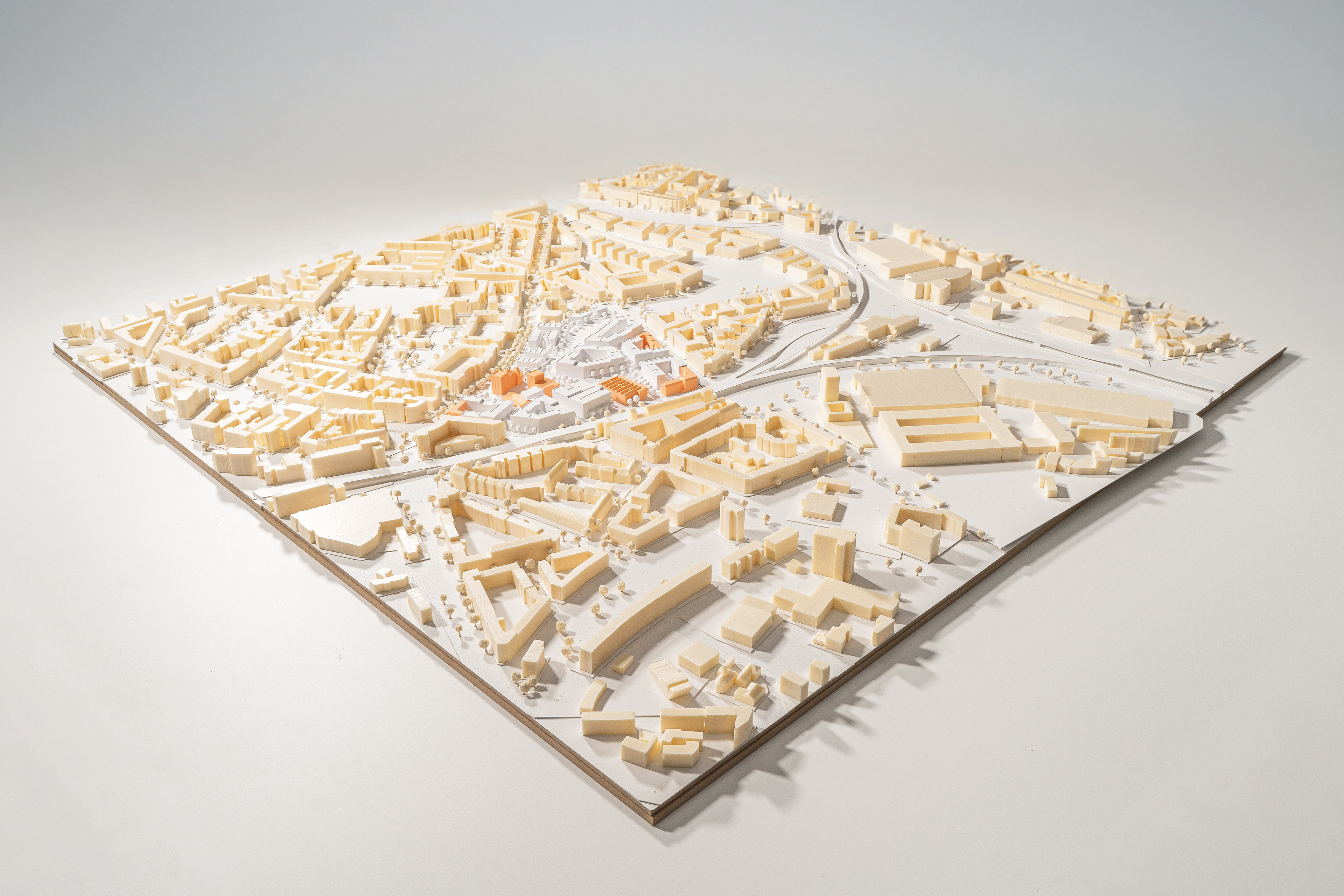
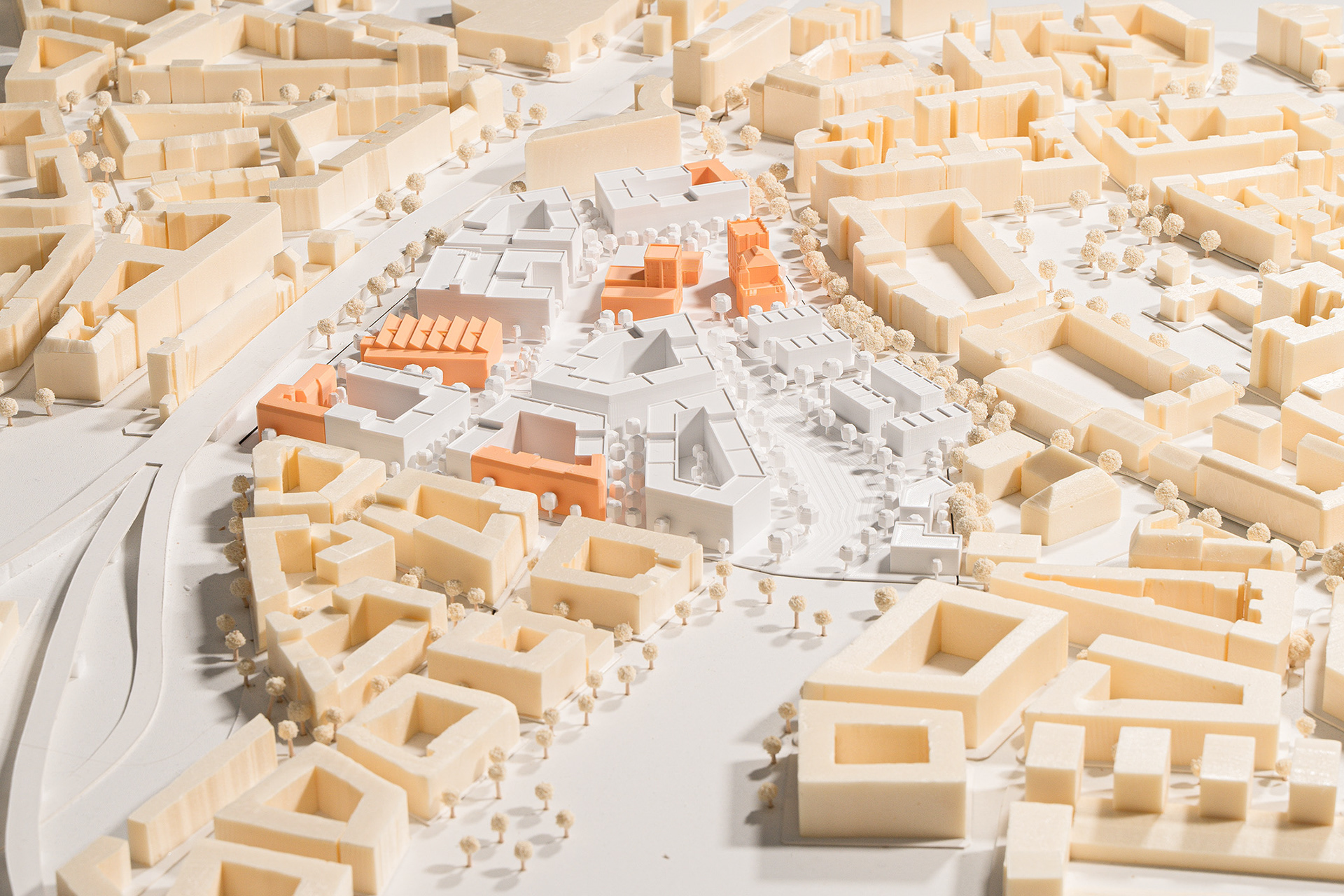
The theme of this design project is the “development and repurposing” of the historic Holsten Brewery site into an urban living space.
Founded in 1879 outside the gates of what was then the city of Altona, the Holsten Brewery site has expanded over the decades to approximately 66,000 square meters. Today, it sits at the vibrant heart of Hamburg-Altona, near the key transportation hub of Hamburg-Altona
In 2012, a master plan called 'New Center Altona' was presented, which envisioned the relocation of the train station and a complete redesign of the central area in the heart of Altona. Since the brewery's relocation in 2019, the neighboring "Holsten Quarter" is planned to serve as an extension to the "New Center Altona."
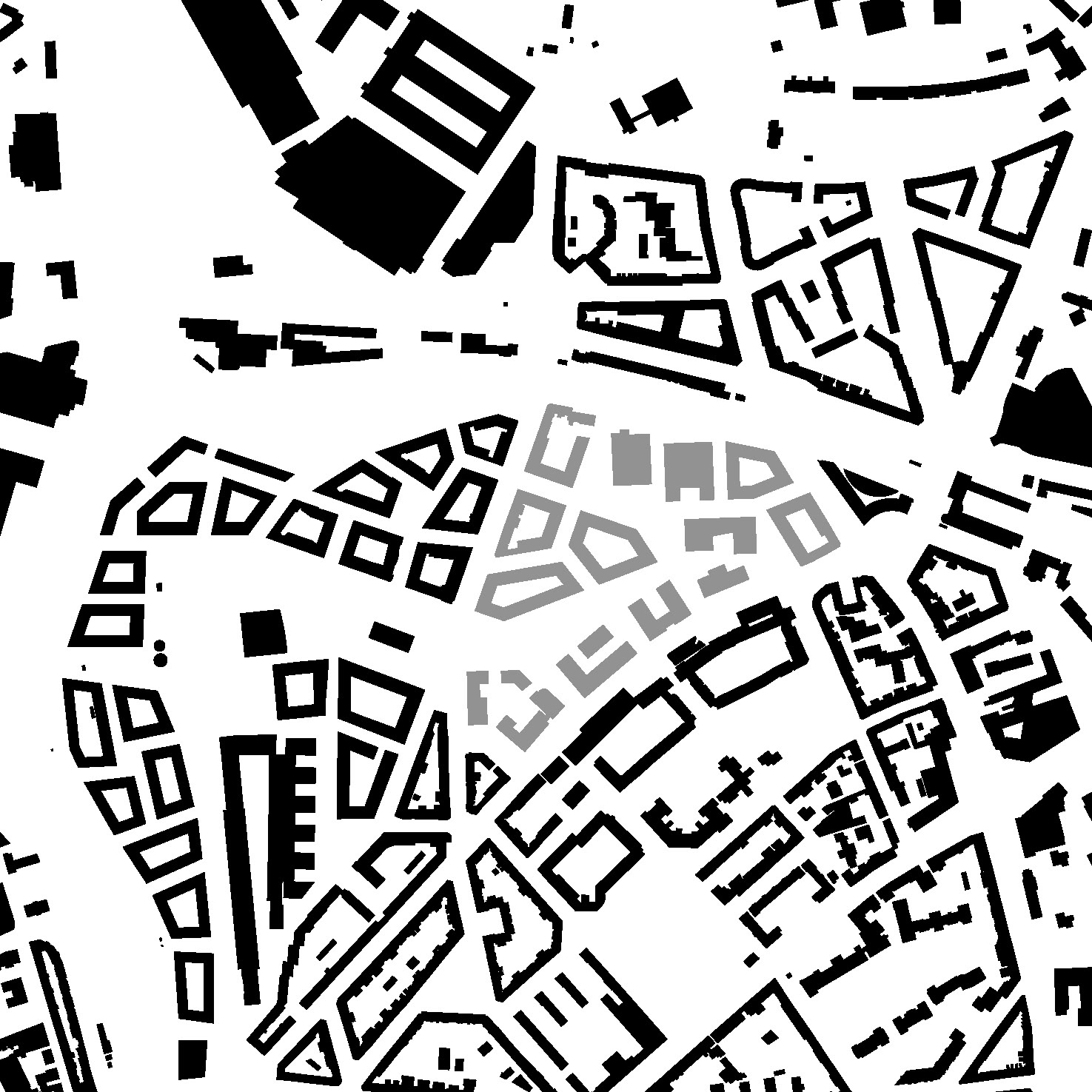
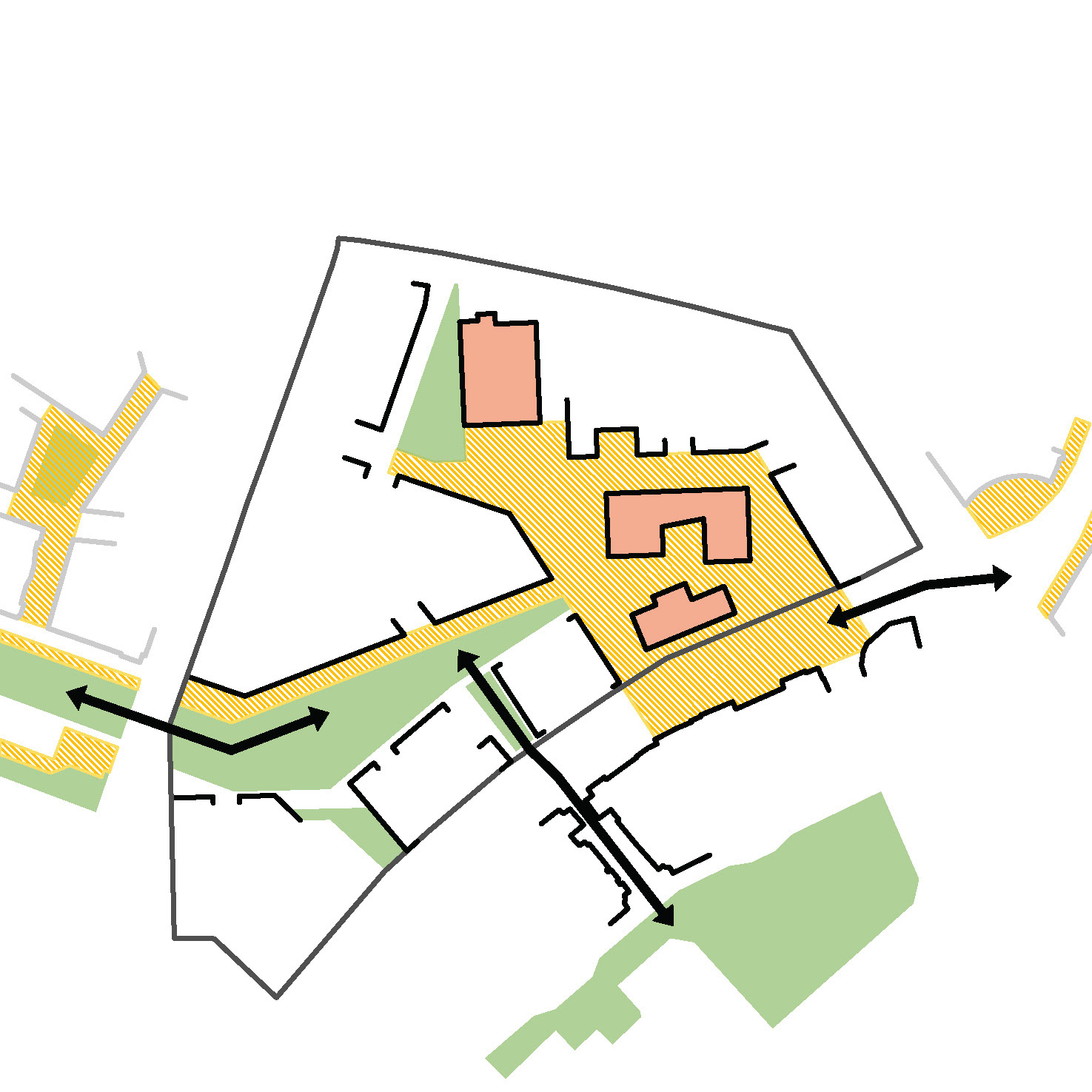
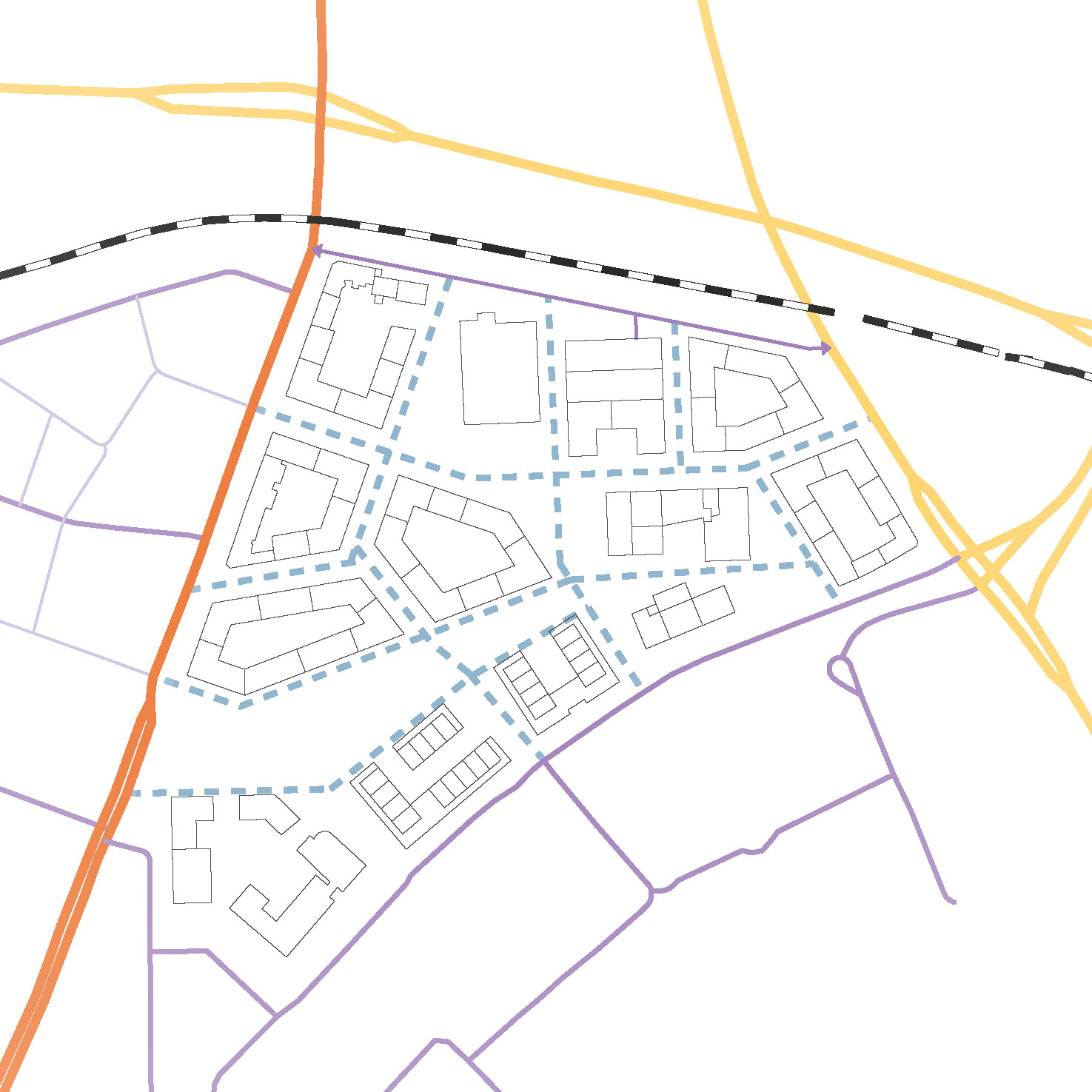
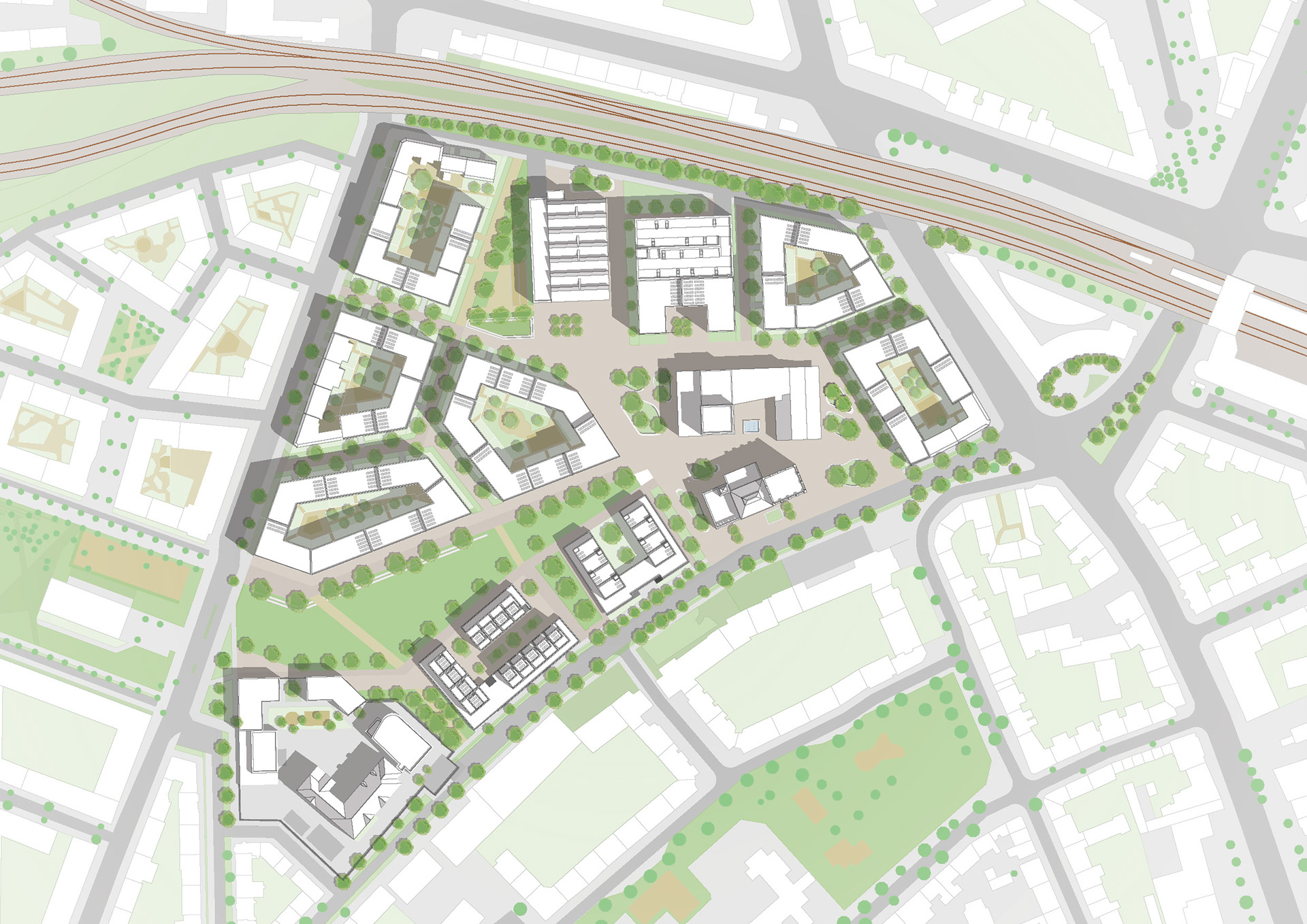
The following architectural drawings conceptualize my vision for the new district within an urban development context.
Under the motto ‘Holsten for everyone,' a neighborhood is to be created that offers community, affordable housing, modern infrastructure, and generous recreational spaces. The guiding concept is heavily influenced by the principles of a sponge city and a commitment to reducing emissions.
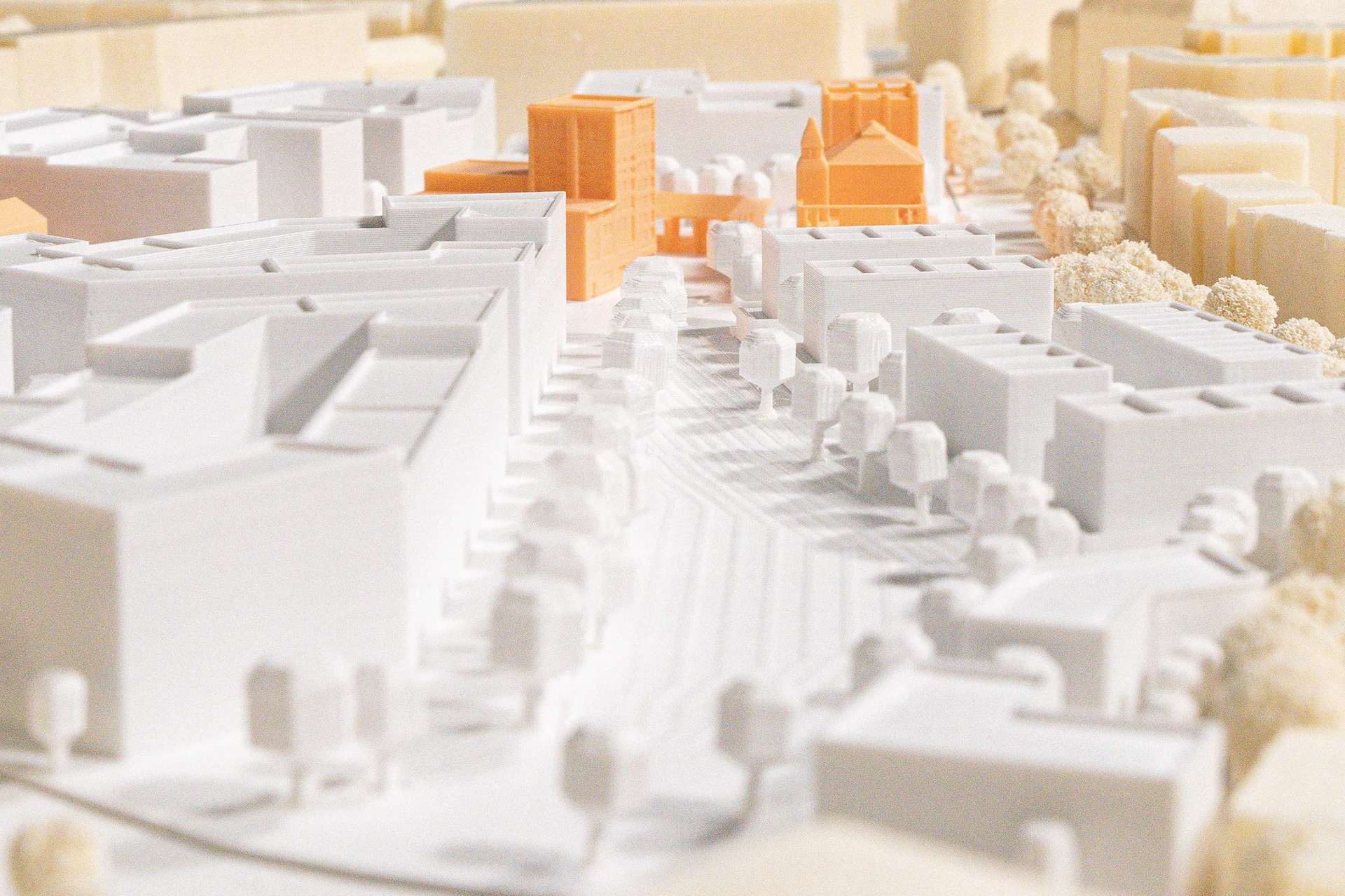
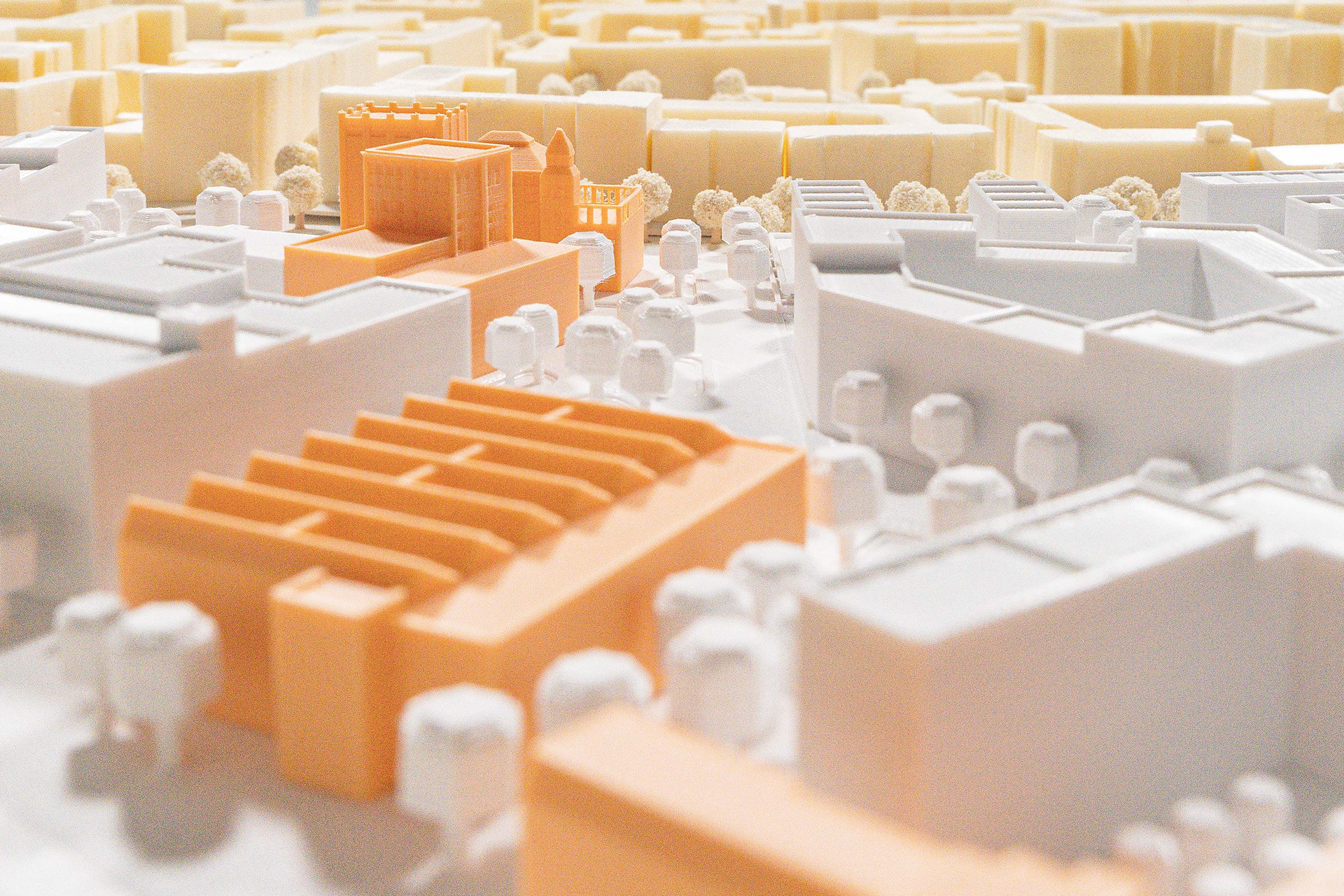
The site’s unique identity is shaped by leftovers of its industrial past, with six buildings considered worthy of preservation. Among them is the “shed-roofed structure”, which holds significant potential for space-intensive uses. Another key feature is the “Juliusturm”, a 30-meter-high tower that once housed the beer fermentation process. The “Malt Silo and Brewhouse”, stands out with its impressive ceiling heights, originally designed to accommodate silos and boilers and a tower prominently uprising on its northwest facade, further emphasizing its industrial heritage. The “Schwankhalle”, a protected concrete structure dating back to 1911, originally used for loading trucks and filling beer barrels. Finally, the historic schoolhouse and the residential blocks from this industrial era.
Further analysis of the surrounding area resulted in the development of a green corridor connecting the quarter to existing parks. Transportation routes and public spaces were seamlessly integrated with the existing urban fabric.
In terms of typology, the concept draws inspiration from the “New Center Altona” and the surrounding industrial-era architecture, predominantly utilizing courtyard block designs. Exceptions to this approach include a few row houses and standalone structures.
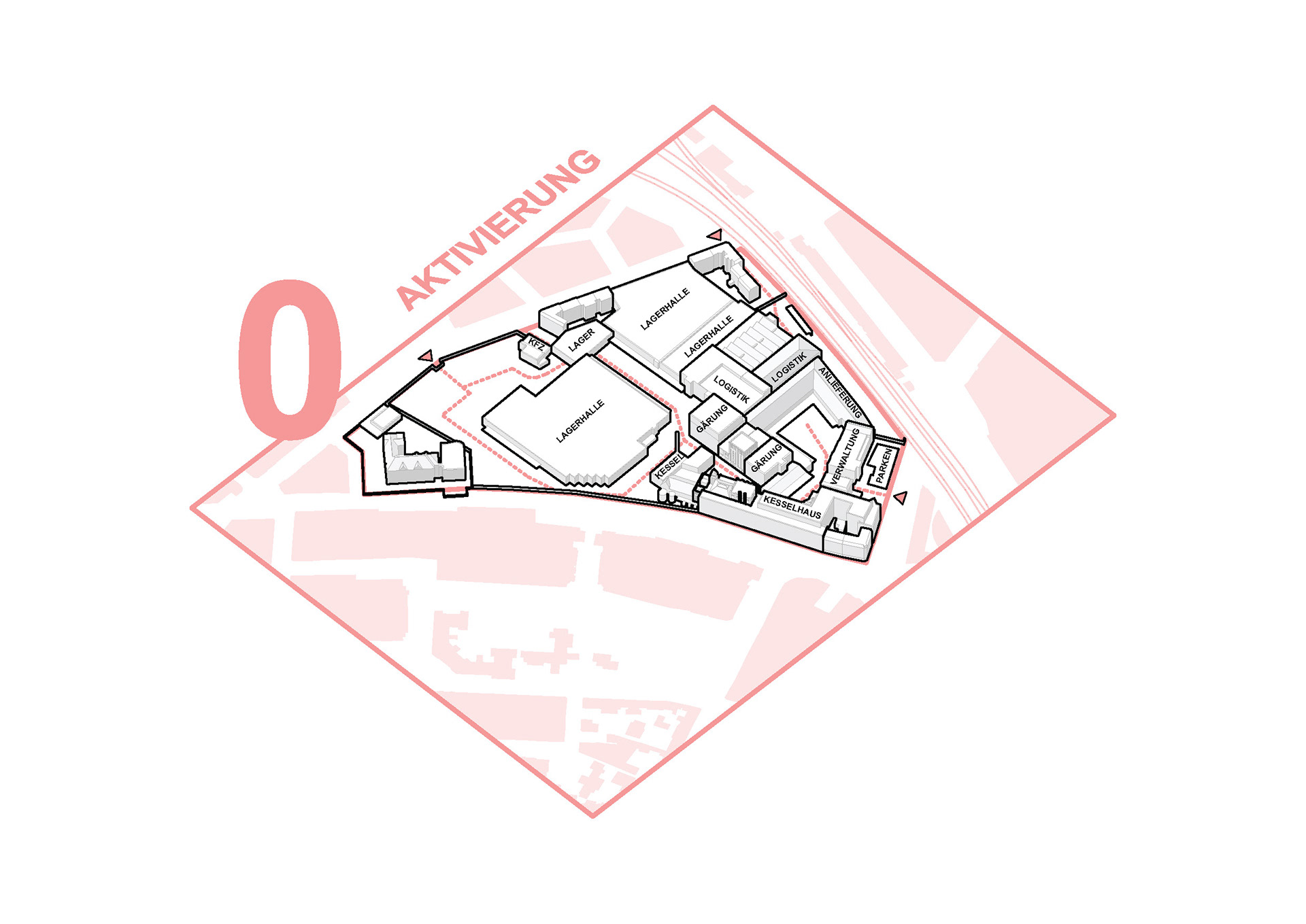
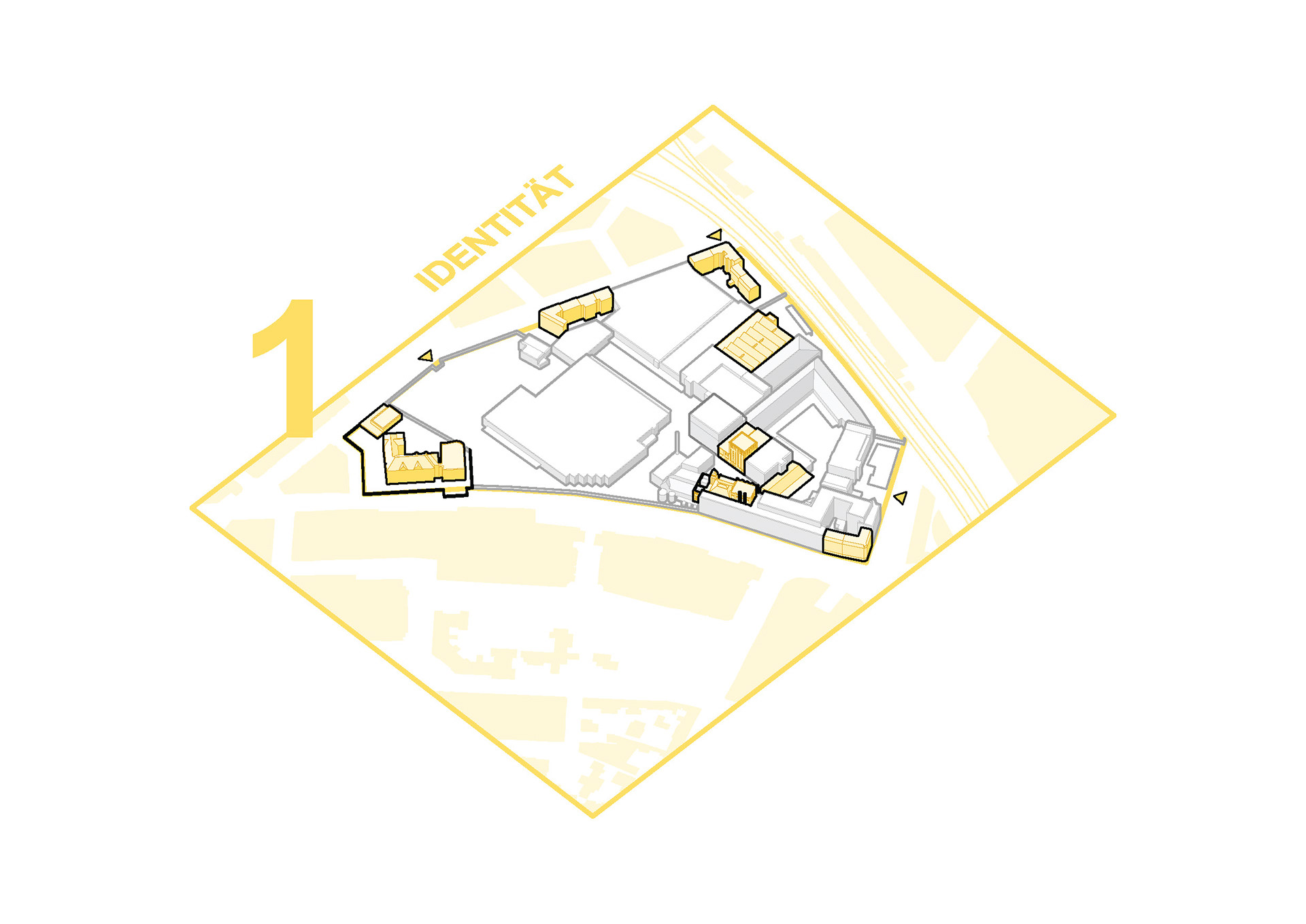
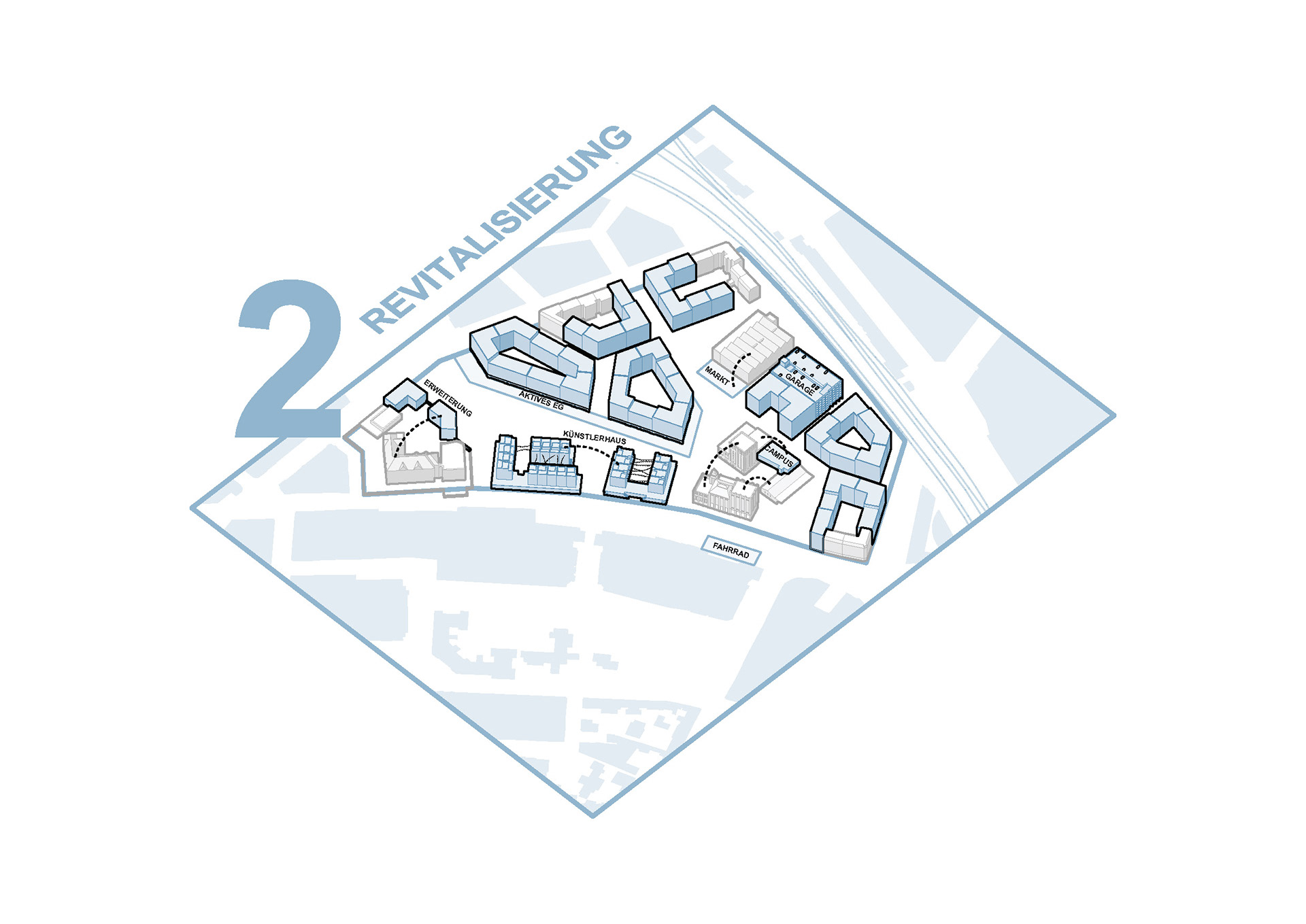
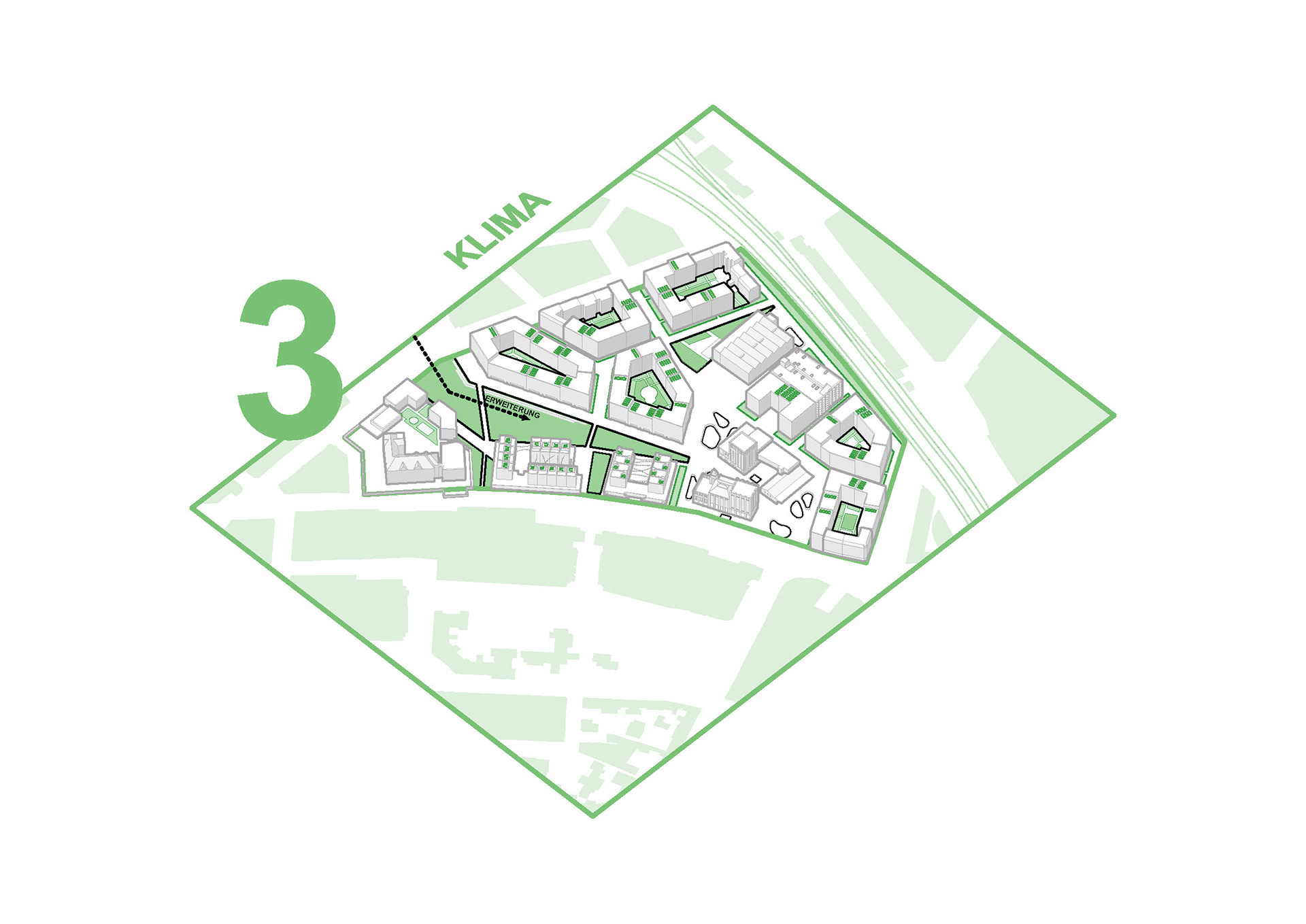
A key design element is the extension of the neighboring park, emphasizing the site's industrial landmarks as focal points. At the heart of this urban development lies a spacious public area that seamlessly connects the historic structures. This central space also hosts a new university campus, designed to integrate the site's rich history. A bridge-like structure links the “Juliusturm” and the “Schwankhalle,” while the “Sudhaus” remains as a solitaire in this cohesive design. Together, these elements form a symbolic trinity, blending history, education, and community into a unified vision. A neighborhood parking garage allows most car traffic to be removed from the area, ensuring a pedestrian-friendly environment. Only a small access road along the railway line remains. Additionally, an integrated commercial space enriches the building cluster, bringing diversification and functionality to the development.
A unique typology with mixed-use development defines the southern edge of the neighborhood. The ground floor accommodates spaces for artisanal and artistic businesses, fostering creativity and craftsmanship. A central open space connects these areas, serving as a vibrant hub for interaction and exchange. On the second floor, row houses are arranged with access provided via a shared gallery walkway, providing further residential housing. The shed hall is repurposed into a market, with its interior space particularly well-suited for this function. A forecourt in front of the hall will occasionally serve as a flea market or an extension of the market, adding flexibility and vibrancy to the space. Adjacent to the campus, is a promenade lined with residential buildings and active ground-floor spaces. Its commercial spaces are designed to keep the neighborhood lively, even during evening hours. As part of the area's redevelopment, the school is set to expand. With the increase in residents, the demand for education will also grow, necessitating an extension on the north side of the school.